
New EU Entry-Exit System Denies Entry to Over 8,700 Travelers in Six Months
Written with artificial intelligence.

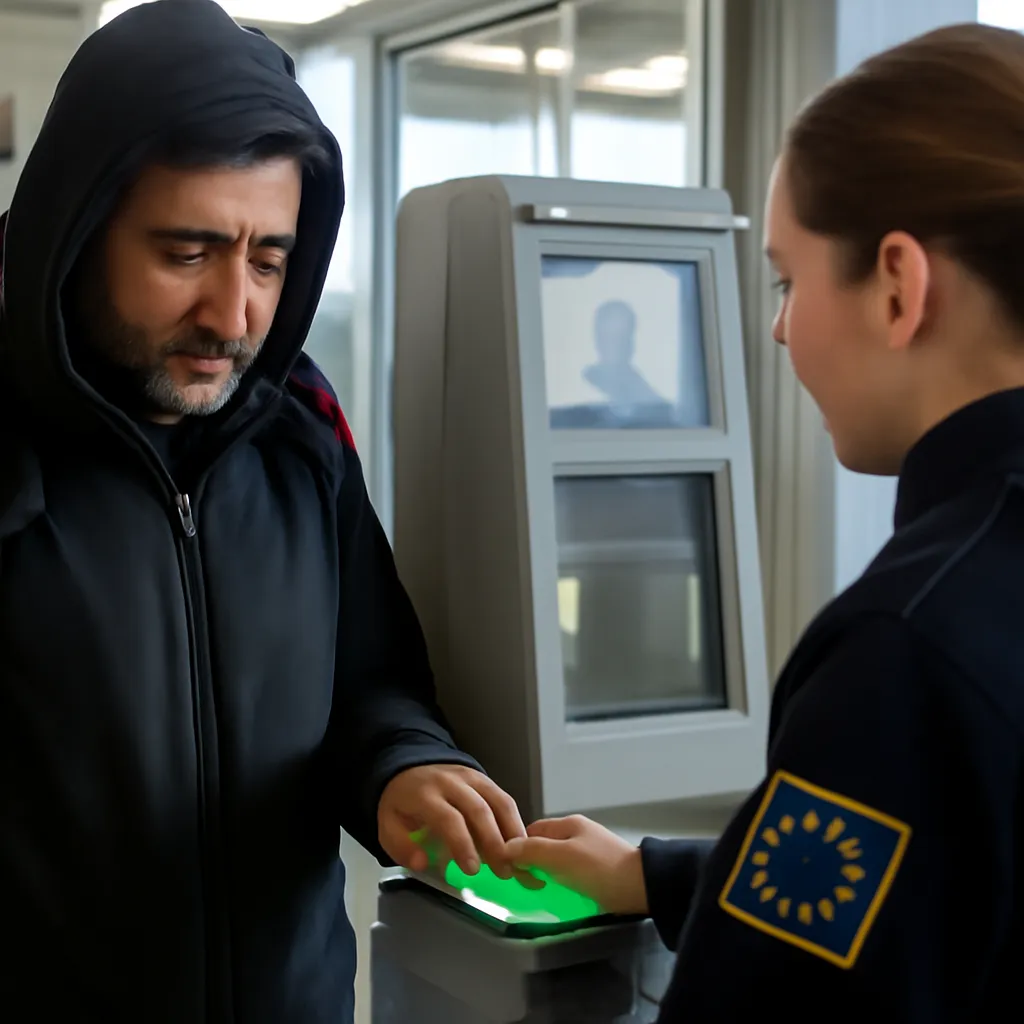
In the first six months of the Entry-Exit System (EES) implementation, over 8,700 travelers were denied entry into the Schengen area for overstaying their permitted time. The EES, designed to enhance border security, recorded over 108.5 million entries and exits of non-EU nationals since its launch.
Overview of the Entry-Exit System
The Entry-Exit System (EES) has been operational since October 2022, aiming to improve security at EU borders by digitally recording non-EU nationals' entries and exits. In its first six months, it recorded over 108.5 million movements and refused entry to 43,728 individuals for various reasons, including overstay violations.
Statistics on Overstays
Among the refused entries, 8,739 were attributed to overstays. This category includes travelers who exceeded their visa limits or violated the 90-day rule, which permits non-EU visitors to stay in the Schengen area for up to 90 days within any 180-day period. Overstaying can lead to fines or even bans from entering the EU.
Challenges Faced by the EES
While the EES aims to streamline border control, it has faced challenges, such as long wait times at border crossings and issues with self-service registration systems. The European Commission acknowledged these problems and noted that some countries temporarily suspended EES operations to manage congestion. The travel industry has expressed concerns about potential delays during peak travel seasons.
Future Developments: ETIAS
Looking ahead, the European Travel Information and Authorisation System (ETIAS) is set to launch in 2024, requiring short-term travelers to obtain authorization before entering the EU. Preparations for ETIAS are ongoing, with an emphasis on collaboration with stakeholders in the travel industry to ensure a smooth implementation.
By enhancing tracking mechanisms, the EES not only improves security but also ensures compliance with the 90-day rule, replacing the previous manual passport stamping process. As enforcement of these rules tightens, travelers are advised to be mindful of their permitted stay durations to avoid penalties.