
New Entry/Exit System for British Travellers to EU Begins Today
Written with artificial intelligence.

As of today, British travellers heading to Europe must register under the EU's new Entry/Exit System. This system requires passport scanning and biometric data collection, with registration valid for three years.
Introduction of EES for Non-EU Citizens
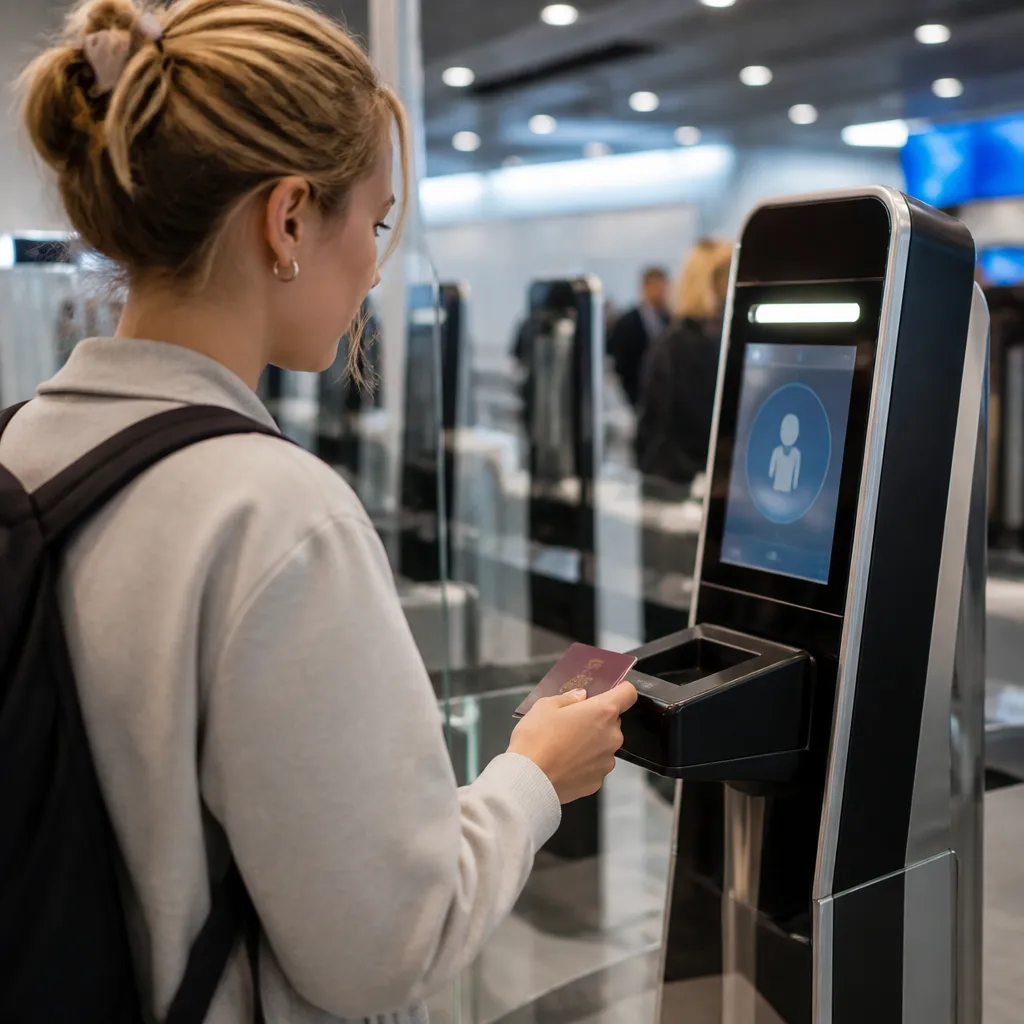
Starting today, British citizens traveling to Schengen area countries must comply with the EU's Entry/Exit System (EES). This digital border system mandates non-EU travellers to register upon entry by scanning their passports and providing fingerprints and a photograph.
Registration Details
- Effective Date: British passport holders must register on their first visit to an EES-operating country from 12 October 2023.
- Validity: Registration lasts for three years or until the passport expires.
- Subsequent Visits: For future entries into participating countries, travellers will only need to scan their passports and provide either fingerprints or a photo.
Implementation Timeline
The EES will be phased in over a six-month period, with full implementation expected by April 2026. During this time, different ports may have varying requirements. Notably, entry checks will occur at the border before departure from the UK for those using the Port of Dover, Eurotunnel at Folkestone, or Eurostar at St Pancras International.
Important Information for Travellers
- No Pre-Travel Actions Required: Travellers do not need to take any action before their journey, and the registration process at the border is free.
- Duration of Checks: While the checks should only take 1 to 2 minutes, longer wait times may occur during busy periods.
- Awareness Campaign: The UK government has launched a campaign to inform the public about these changes, with updates available on GOV.UK and the Foreign, Commonwealth & Development Office’s Travel Aware pages.
Exemptions
Certain individuals, including British citizens with Withdrawal Agreement residence documents and UK-EU dual citizens using EU passports, are exempt from the EES requirements. Additionally, children under 12 will not be fingerprinted, but all travellers, including infants, must have their photographs taken and digital records created.
For more information, consult the official travel websites or government resources to stay informed about these changes.