
Hotels Capitalizing on Travelers' Emotions for Increased Profitability
Written with artificial intelligence.
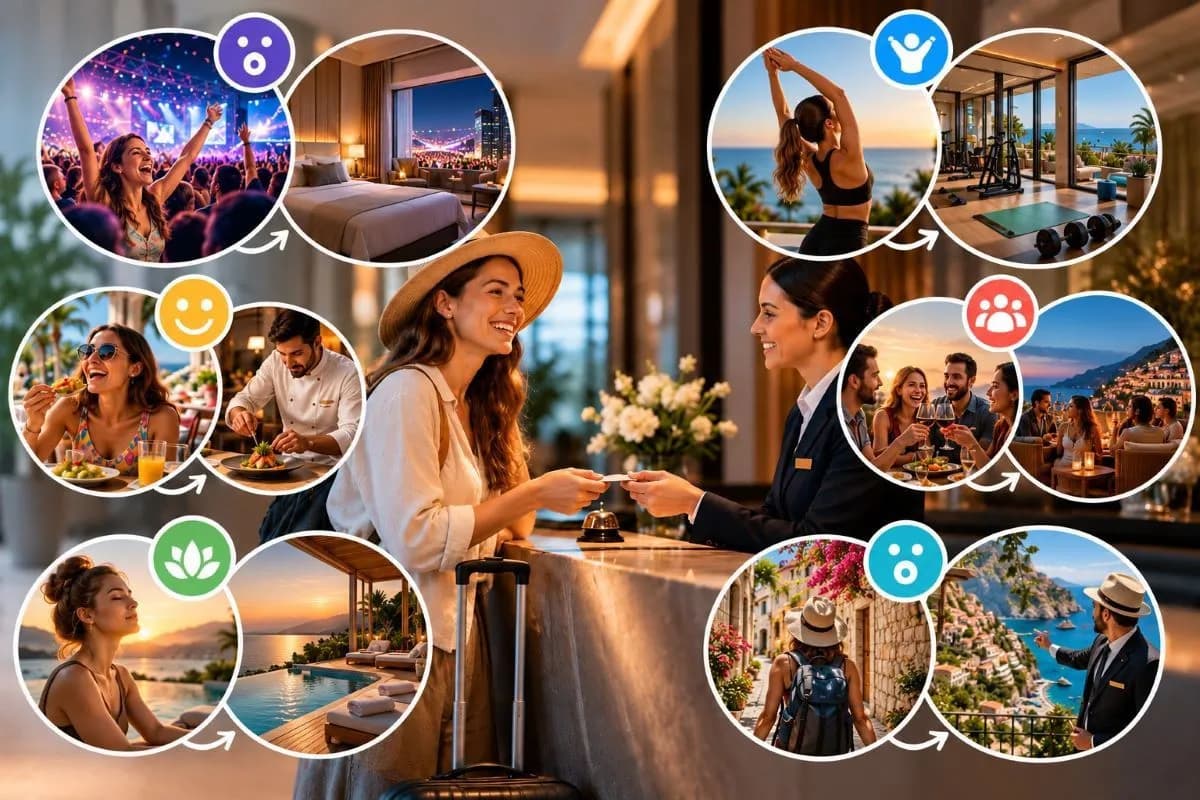
A recent study reveals that 25% of travelers prefer choosing accommodations based on their desired emotional state rather than the destination itself. This trend presents new revenue opportunities for hotels, as they can increase average daily rates, direct bookings, and customer loyalty by connecting emotionally with their guests.
Emotional Engagement in the Hospitality Industry
According to a study by ALL Accor and Globetrender, 25% of travelers now select their accommodations based on the emotional experiences they wish to achieve rather than just the location. This shift in preference indicates a potential for hotels to enhance profitability by aligning services with the emotional needs of guests. By focusing on emotional connections, hotels can raise their average daily rates (ADR), boost direct bookings, and strengthen customer loyalty.
The findings from the report "Experiential Travel Trends 2026" highlight that hotels acting as emotional catalysts can achieve higher ADRs during special events and benefit from increased direct bookings through social media engagement. This emotional branding can lead to a deeper relationship with guests, ultimately increasing their long-term economic value to the establishment.
Key Emotional Drivers for Hotel Offerings
The study identifies eight emotional factors that can guide hotel offerings and marketing strategies:
- Amazement: Access to extraordinary events like sports or concerts (89% of travelers).
- Joy: Vibrant environments and unique culinary experiences (31.5% and 43% attraction rates).
- Freedom: Maintaining personal habits during stays (95% desire).
- Connection: Shared activities that foster relationships (84.5% demand).
- Nostalgia: Experiences that evoke fond memories (87% yearning).
- Serenity: Engagement with natural rhythms and seasonal phenomena (69% influence).
- Surprise: Authentic discoveries and local recommendations (82% preference).
- Prestige: Exclusive access to special events (72% value).
New Revenue Streams for Hotels
Hotels are now encouraged to expand their revenue models beyond traditional lodging. This includes offering exclusive access to activities, special events, and loyalty programs based on unique privileges instead of standard discounts. The study notes that 72% of travelers value unique offerings more than traditional benefits, creating opportunities for improved profitability.
To implement these strategies effectively, Accor emphasizes the importance of combining artificial intelligence with personalized guest interactions. As highlighted by Alix Boulnois, Director of Technology and Digitalization, the goal is to create deeply personal experiences that resonate emotionally with guests. Mehdi Hemici, Director of Loyalty and E-commerce, adds that the true value of travel lies in the emotions it evokes, enhancing the overall experience beyond mere location changes.
In conclusion, hotels are encouraged to shift their focus from treating emotions as secondary aspects of a stay to positioning them as core, marketable elements that can influence pricing, distribution, and customer loyalty.