
Guidance for Dual Citizens Traveling to the Schengen Area
Written with artificial intelligence.
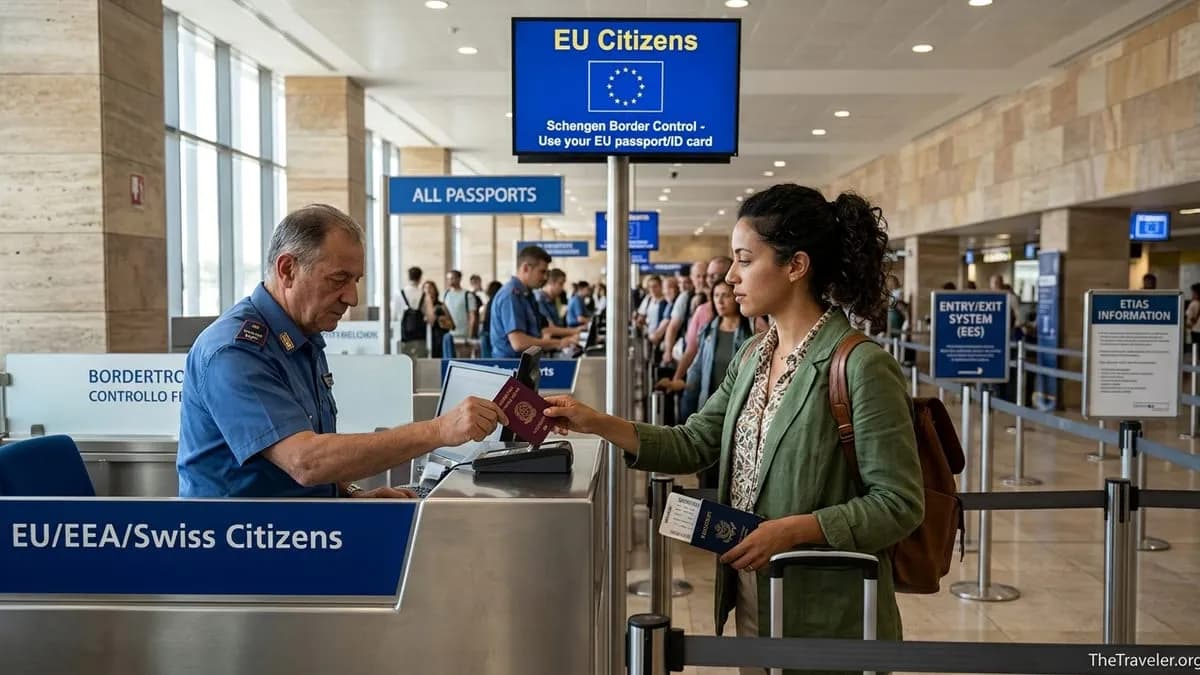
Travelers holding dual citizenship must be strategic in choosing which passport to present when entering and leaving the Schengen Area. To avoid unnecessary visa requirements and ensure compliance with new ETIAS and EES regulations, dual nationals should typically use their EU passport.
Understanding Dual Citizenship and Schengen Travel
For individuals with dual citizenship, navigating travel to the Schengen Area now requires careful consideration regarding which passport to present. EU citizens benefit from free movement rights, meaning they should use their EU passport to enter and exit the Schengen Area. Failing to do so by presenting a non-EU passport can lead to additional requirements like visas and ETIAS authorizations, as well as potential mismatches in border records.
Key Rules for Border Control
Under EU law, those holding citizenship from an EU member state are also considered EU citizens, which grants them the right to reside freely in other EU countries. When a dual national arrives at a Schengen border, they must present proof of their EU citizenship, typically through an EU passport or national ID card. Presenting a non-EU passport instead will classify them as a third-country national, subjecting them to different rules, including the Entry/Exit System (EES) that becomes fully operational on April 10, 2026. This system logs biometric data and travel document details for non-EU nationals, affecting how travelers are recorded at border points.

Practical Advice for Dual Nationals
To ensure a smooth travel experience, dual nationals should follow these guidelines:
- Use EU Passport: When entering and exiting the Schengen Area, always present your EU passport or ID card to align with your legal status and avoid EES entry.
- Single Passport Policy: If you hold two non-EU passports, choose one to use consistently for the entire trip to avoid confusion in the border system.
- Airline vs. Border Control: Be aware of the separate processes at airlines and border control. Airlines verify entry eligibility before boarding, while border control applies the laws of the country you are entering.
Conclusion
Navigating the complexities of dual citizenship can be tricky, especially with evolving travel regulations. By understanding the importance of presenting the correct passport, dual nationals can prevent delays and ensure compliance with both airline and border policies.