
EU's Entry/Exit System (EES) Launches April 10: What Travelers Need to Know
Written with artificial intelligence.
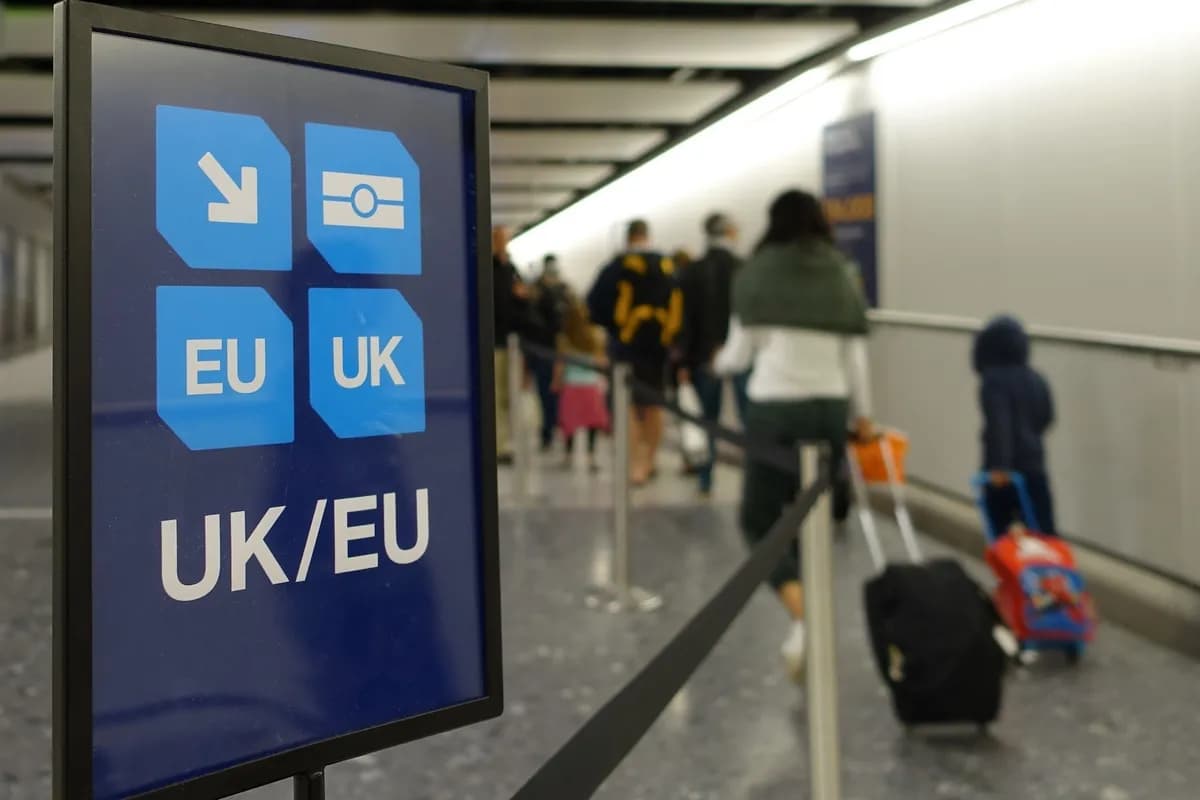
The EU's new Entry/Exit System (EES) will be fully operational on April 10, 2026, replacing manual passport stamps with digital records. Travelers from non-EU countries should prepare for longer wait times and consider pre-registering their biometric data to streamline their airport experience.
Overview of the EES
The Entry/Exit System (EES) is a new border control initiative by the European Union aimed at modernizing border security checks. The system will replace traditional passport stamps with digital records of entries and exits for travelers crossing EU borders. Implemented gradually since October 2025, the EES will officially launch on April 10, 2026.
How It Works
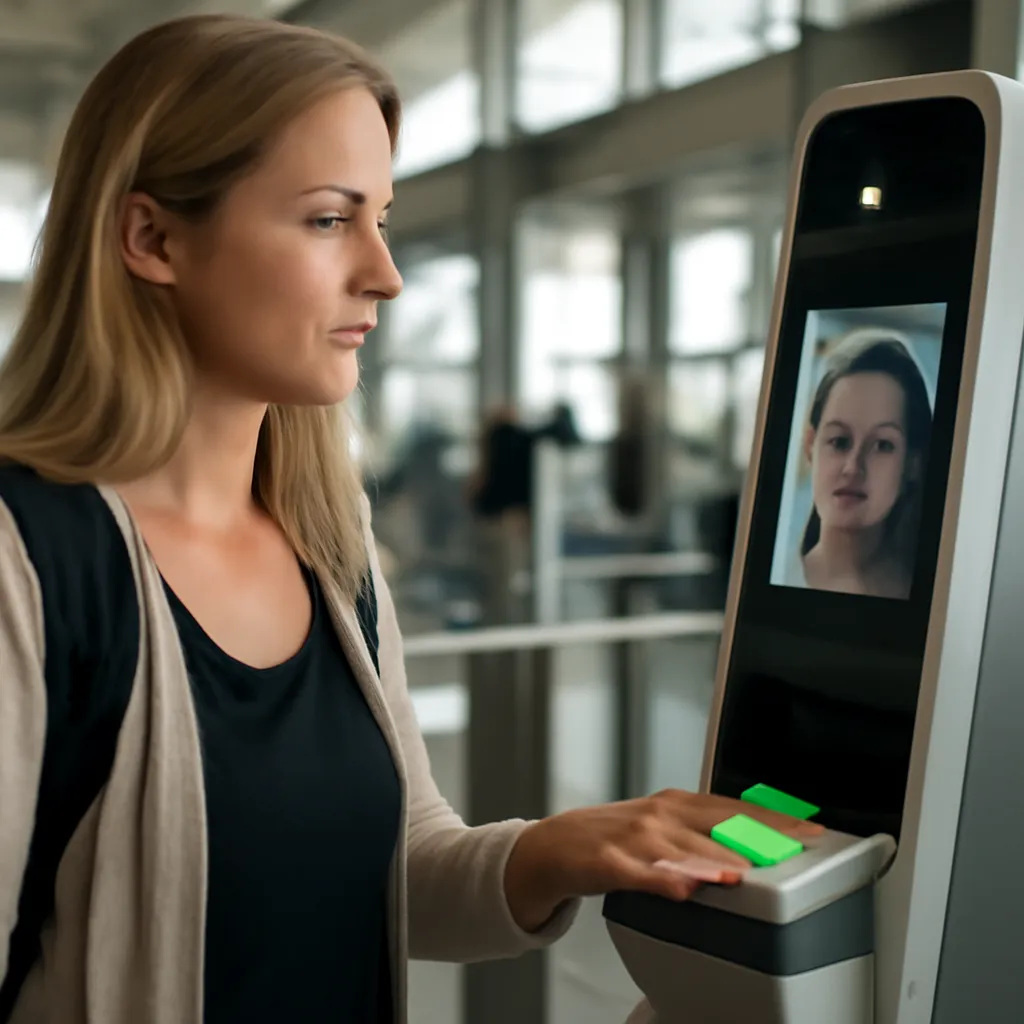
The EES collects biometric data, including facial images and fingerprints, from travelers at automated kiosks in airports. Once registered, this data is kept for three years, provided you do not obtain a new passport in that timeframe. Importantly, a biometric passport is not required for registration.
Who Is Exempt?
Exemptions from the EES include:
- Citizens of the EU and Schengen area countries
- Family members of EU nationals
- Identity card holders
- Airline and train crew members
- Military personnel
- Nationals of Andorra, San Marino, Monaco, and Vatican City
Anticipated Delays
Travelers should expect longer wait times at airports. Reports indicate delays have recently reached up to two hours during peak periods. To mitigate this, passengers are advised to arrive at the airport 1.5 to 2 hours earlier than usual. The EU has also introduced the Travel to Europe app, which allows travelers to pre-register their biometric data up to 72 hours before arrival, potentially saving time at the airport.
Future Measures: ETIAS
The European Travel Information and Authorisation System (ETIAS), often referred to as a ‘euro-visa,’ will be implemented after the EES is fully operational. The expected rollout of ETIAS is anticipated in late 2026. More details can be found in guides designed for UK travelers and others planning to visit Europe.