Challenges of ETIAS and Digital Visas: Airline Verification Issues

The European Travel Information and Authorization System (ETIAS) is set to launch in the last quarter of this year, highlighting the challenge of verifying digital visas by airlines. IATA emphasizes that the lack of standardized verification processes could lead to significant financial penalties for airlines if errors occur during check-in.
Overview of ETIAS and Digital Visa Challenges
The European Travel Information and Authorization System (ETIAS) is expected to become operational by the end of this year. This new system underscores a broader issue: digital visas and travel authorizations are evolving faster than the verification systems used by airlines. While travelers may find it easy to receive their permits via email or QR codes, airlines face complexities when determining the validity of these documents at check-in.
Financial Implications for Airlines
Before allowing passengers to board international flights, airlines must verify that travelers possess the necessary documentation for entry into their destination countries. According to IATA, errors in this process can result in severe financial repercussions, averaging $9,000 per passenger in fines and return costs. Thus, the challenge extends beyond obtaining an electronic visa to ensuring its rapid and reliable verification at airports.
Current Verification Procedures
IATA explains that the proof of an electronic visa can be presented in various formats, including emails, PDFs, or QR codes. In some cases, airline staff may need to consult a website, connect to a government database, or manually verify additional documents. With over 100 countries issuing electronic visas, the absence of a standardized verification procedure complicates the process.
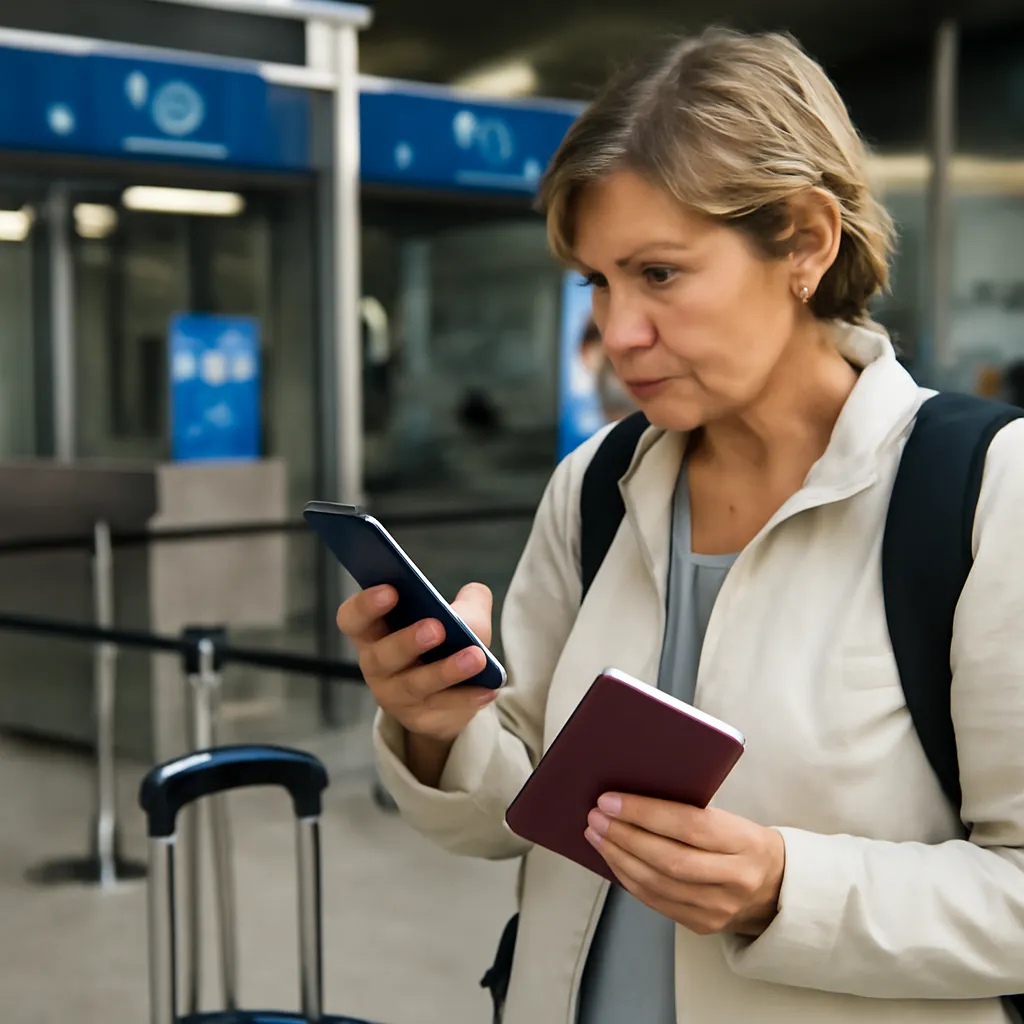
Proposed Solutions: iAPI and DTA
To address these challenges, IATA proposes two primary solutions:
- Interactive Advance Passenger Information (iAPI): During check-in, airlines would electronically send traveler data to the destination government, receiving real-time confirmation of the passenger's eligibility. This reduces the need for staff to interpret various document formats.
- Digital Travel Authorization (DTA): Developed under the International Civil Aviation Organization (ICAO), this tool aims to standardize electronic authorization formats with digitally signed information. This would help airlines recognize valid authorizations even without direct government connections.
Both mechanisms are designed to complement each other, with iAPI facilitating direct government checks and DTA providing a consistent proof of authorization when direct checks are not possible. IATA's goal is not to alter national immigration policies but to streamline the digital verification process at check-in.
Practical Recommendations
IATA urges governments to adapt digital documentation to international standards, develop verification methods compatible with airline check-in systems, and involve airlines in the creation of new programs. While the issuance of digital visas has progressed rapidly, the verification process has lagged behind, posing challenges for both travelers and airlines.