Bulgaria Introduces Digital Nomad Visa Ahead of Euro Adoption and Schengen Membership
Written with artificial intelligence.
Bulgaria has launched a digital nomad visa catering to non-EU remote workers, coinciding with its plans to adopt the euro and join the Schengen Zone in 2025. Eligible applicants can live in Bulgaria for up to one year, with the possibility of renewal based on income requirements.
Overview of the Digital Nomad Visa
Bulgaria has officially introduced a digital nomad visa, allowing non-EU remote workers to apply and live in the country for up to one year. This initiative aligns with Bulgaria's upcoming adoption of the euro and its entry into the Schengen Zone, both set for 2025.
Eligibility and Income Requirements
To qualify for the visa, applicants must earn a minimum of €31,000 annually (approximately 50 times the Bulgarian monthly minimum wage of €620). There are three categories for eligibility:
- Remote employees of companies outside the EU, EEA, and Switzerland.
- Business owners or shareholders with over 25% ownership in a foreign company.
- Freelancers or independent professionals providing services to non-Bulgarian clients for at least one year.
Application Process
The application involves two stages: 1. Type D Long-Stay Visa: Applicants must first apply at a Bulgarian embassy or consulate, which typically takes 4 to 8 weeks. 2. Residence Permit Application: Upon arrival in Bulgaria, applicants have 14 days to submit their residence permit application, including:
- Proof of accommodation (rental contract, hotel booking, etc.).
- A clean criminal record certificate.
- Health insurance valid throughout the Schengen area.
- Evidence of meeting the income requirement.
The entire process may take over three months from the initial application to final documentation. The residence permit is initially valid for one year and can be renewed if eligibility criteria are maintained.

Benefits of Relocating to Bulgaria
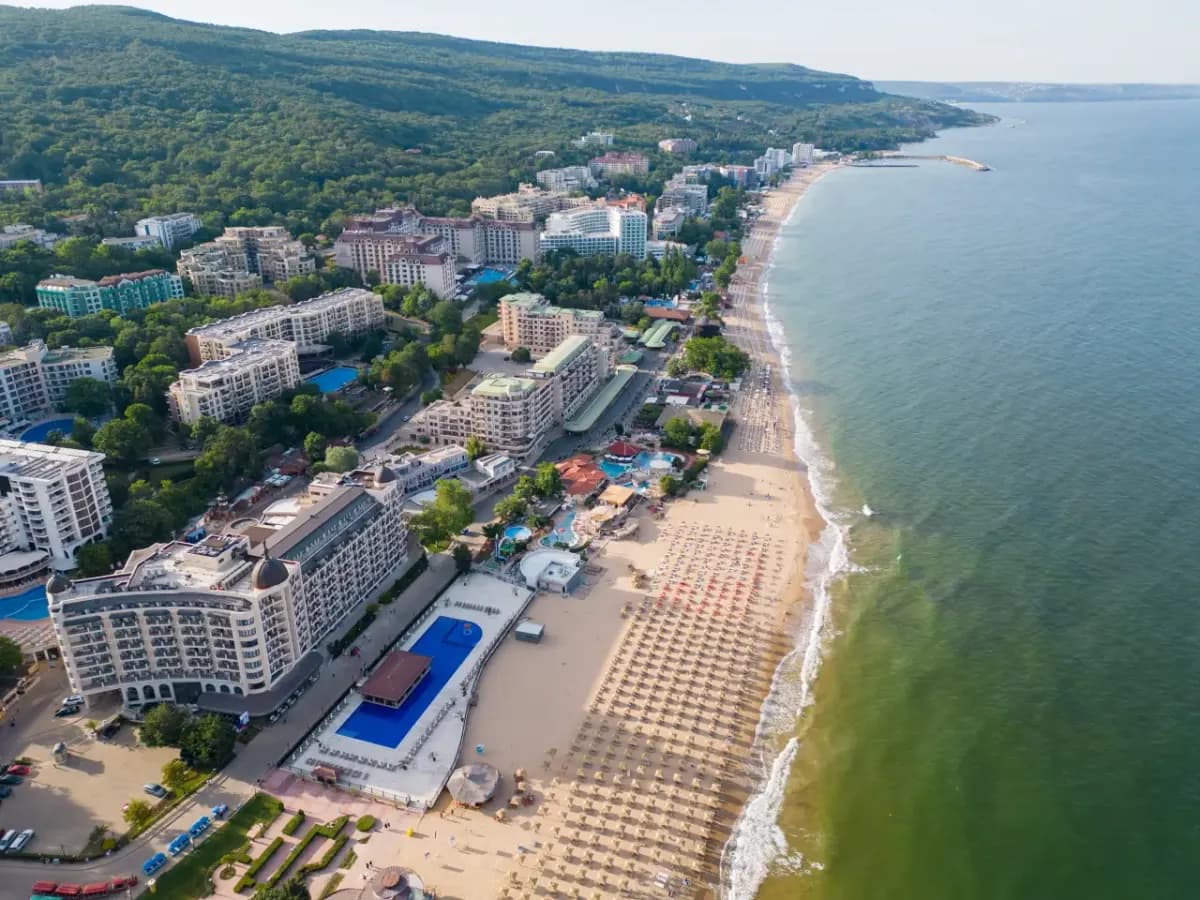
Bulgaria offers a lower cost of living compared to many Western European countries, making it an appealing destination for digital nomads. Major cities like Sofia, Plovdiv, and Varna provide a vibrant startup culture and access to coworking spaces, fast internet, and essential services. Additionally, the country boasts outdoor activities, including hiking and beach resorts, enhancing the work-life balance for remote professionals.
With the impending adoption of the euro and membership in the Schengen Zone, Bulgaria is set to become a practical hub for digital nomads looking for an affordable and connected base in Europe.