
Understanding Europe's New EES Border Checks
Written with artificial intelligence.
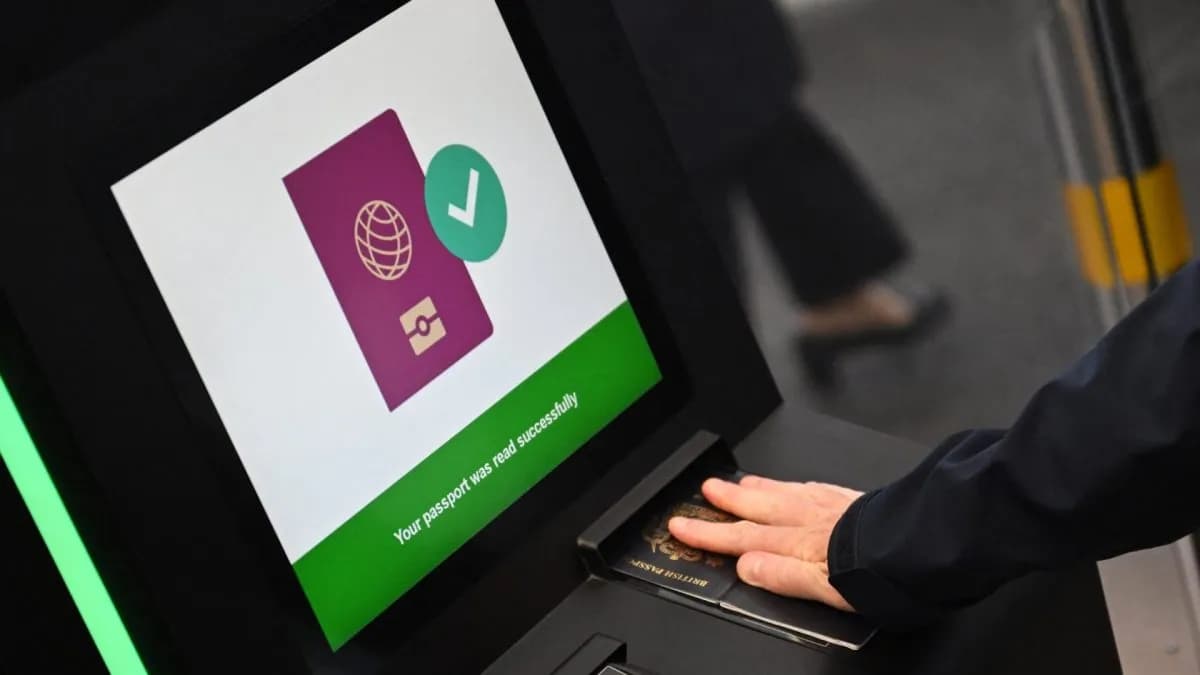
New border regulations under the Entry/Exit System (EES) have been implemented across Europe, affecting third-country travelers, including British passport holders. The EES requires biometric data collection but allows for temporary suspensions during peak travel times.
Overview of EES Implementation
The Entry/Exit System (EES) is now operational across Europe, impacting British passport holders and other third-country travelers when entering the Schengen area. This system replaces traditional passport stamping with digital records that include biometric data, such as fingerprints and facial images. EES was fully rolled out in April 2023, following a phased introduction that began in October 2022.
Key Features of EES
- Biometric Data Collection: Upon entering the Schengen area, travelers aged 12 and older will have their fingerprints and facial images recorded. This data will be verified on future entries and exits.
- Duration of Data Storage: The biometric records are valid for three years and will capture entry and exit dates, refusal of entry, and personal identification details.
- Exemptions and Challenges: Travelers unable to provide fingerprints due to physical reasons are exempt, though the system's handling of cases like faded fingerprints is unclear. Issues have also arisen, such as confusion with identical twins being misidentified.
Travel Conditions and Temporary Changes
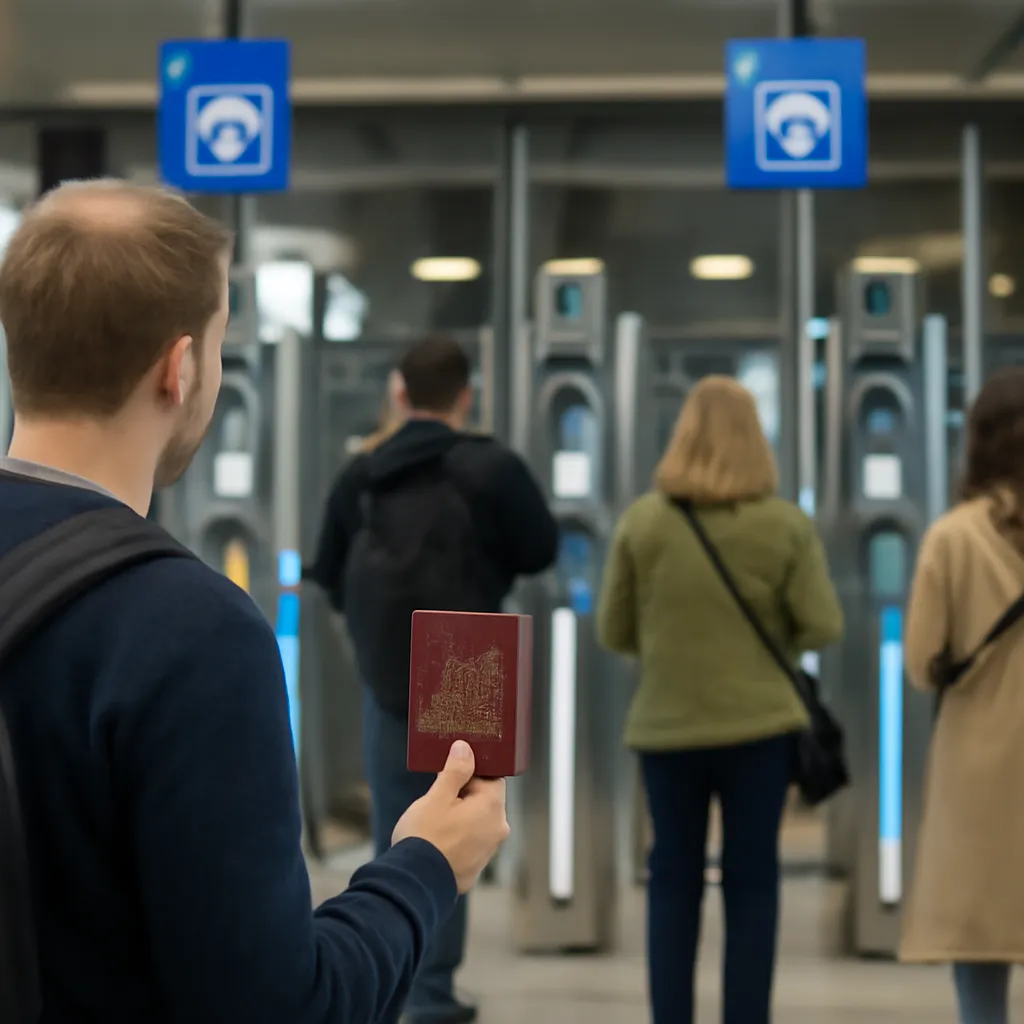
During busy travel periods, countries can temporarily suspend biometric checks while still operating the system. Reports indicate that wait times at border controls have surged, with some travelers experiencing queues of up to five hours. However, the European Commission has allowed for adjustments to mitigate these delays.
Future Requirements: ETIAS
In addition to EES, travelers from non-EU countries will require the European Travel Information and Authorization System (ETIAS), set to be introduced in 2027. This online application will cost €20 (£17.40) and will be valid for three years. Exemptions apply for those under 18 or over 70 years old.
For more detailed information on the EES and ETIAS, travelers should stay updated with the European Commission's announcements and guidelines.