Sri Lanka Introduces Digital Nomad Visa for Remote Workers
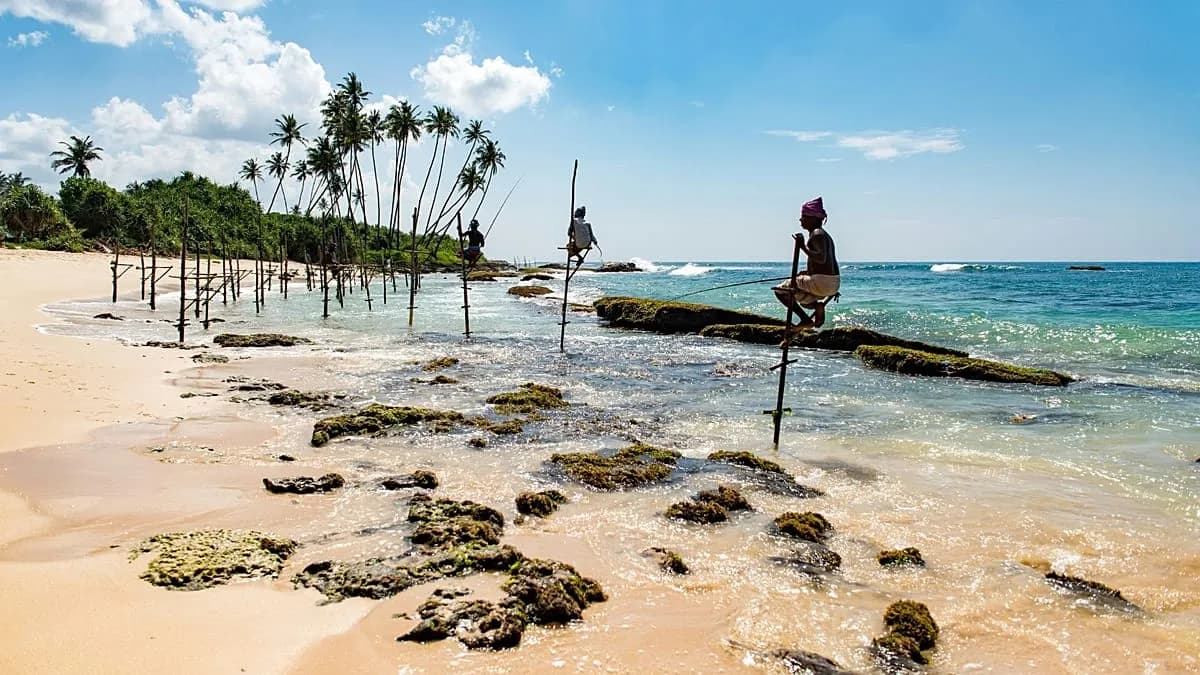
Sri Lanka has officially launched its digital nomad visa, set to take effect in February 2026. Applicants must earn a minimum of €1,700 (approximately US$2,000) monthly, with additional requirements for families.
Overview of Sri Lanka's Digital Nomad Visa
As the trend of digital nomadism continues to grow post-pandemic, Sri Lanka is entering the scene with its new digital nomad visa. Officially launched in February 2026, this visa allows remote workers to live and work in this stunning island nation known as the 'pearl of the Indian Ocean'.
Eligibility Requirements
To apply for the visa, candidates must meet the following criteria:
- Minimum Monthly Income: Applicants must earn at least €1,700 (US$2,000).
- Additional Dependents: For families with more than two children, the required income increases by €425 (US$500) per additional child.
- Age Requirement: Applicants must be over 18 years old.
- Employment: Applicants must provide proof of their income while working exclusively for clients outside Sri Lanka.
Applications can be submitted through the Department of Immigration and Emigration's official website, where detailed submission requirements are also available.

Visa Duration and Cost
The digital nomad visa is valid for one year and costs €425 per person. Visa holders can renew their visas annually. However, they must comply with certain restrictions, including not working for Sri Lankan companies and avoiding any political or disruptive activities.
Attractions in Sri Lanka
Sri Lanka attracts around 2.3 million international tourists annually, offering breathtaking beaches, wildlife encounters, and historical heritage sites. Notable attractions include the Galle Fort, the scenic train ride from Ella to Kandy, and the ancient cities of Sigiriya and Anuradhapura. Additionally, the country recently launched the 300-kilometre Pekoe trail for hikers, showcasing its Central Highlands.
It is important to note, however, that internet connectivity may be a concern for some, as Sri Lanka ranks 131st globally for fixed broadband speeds according to the Speedtest Global Index.