
Germany Anticipates Longer Airport Queues Due to EES Implementation
Written with artificial intelligence.
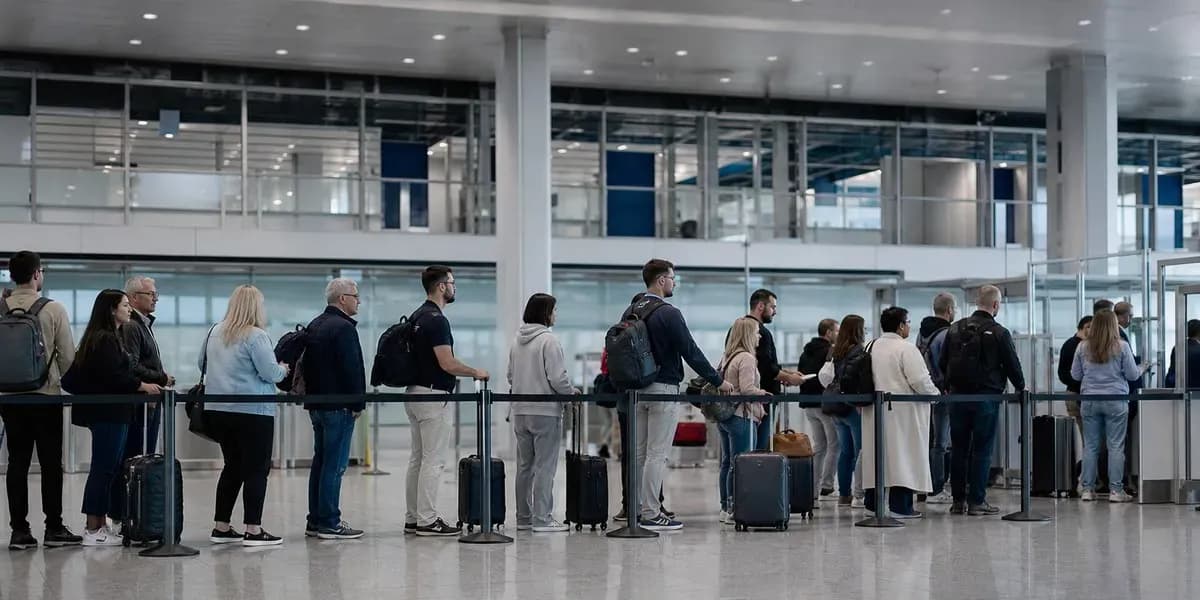
German airports expect increased waiting times at border control with the rollout of the European Entry/Exit System (EES), particularly affecting short-term visitors from non-EU countries. Passengers are advised to arrive at least three hours prior to their flights to accommodate these changes.
Impact of the EES on Border Control
The European Entry/Exit System (EES) is set to affect travel at German airports, leading to longer queues at border control. This is especially pertinent for short-term visitors from non-EU countries, as the system will require the collection of biometric data, including fingerprints and facial images.
Passenger Recommendations
- Arrival Time: Passengers from non-EU countries should arrive at the airport at least three hours before their scheduled departure to ensure sufficient time for border procedures.
- Current Passenger Forecast: For example, Frankfurt Airport anticipates around 3.5 million passengers between October 2 and 18, with approximately 650,000 expected over the first weekend of the autumn holidays (October 2–4).
EES Registration Details
The EES, which is being gradually introduced starting in October 2025, will store biometric data for three years after initial registration. This means that travelers will not need to complete the registration process every time they cross the Schengen area’s external border. However, passengers traveling to non-Schengen countries are also advised to arrive three hours early and can utilize the automated EasyPASS system for border control.
Broader Effects on All Travelers
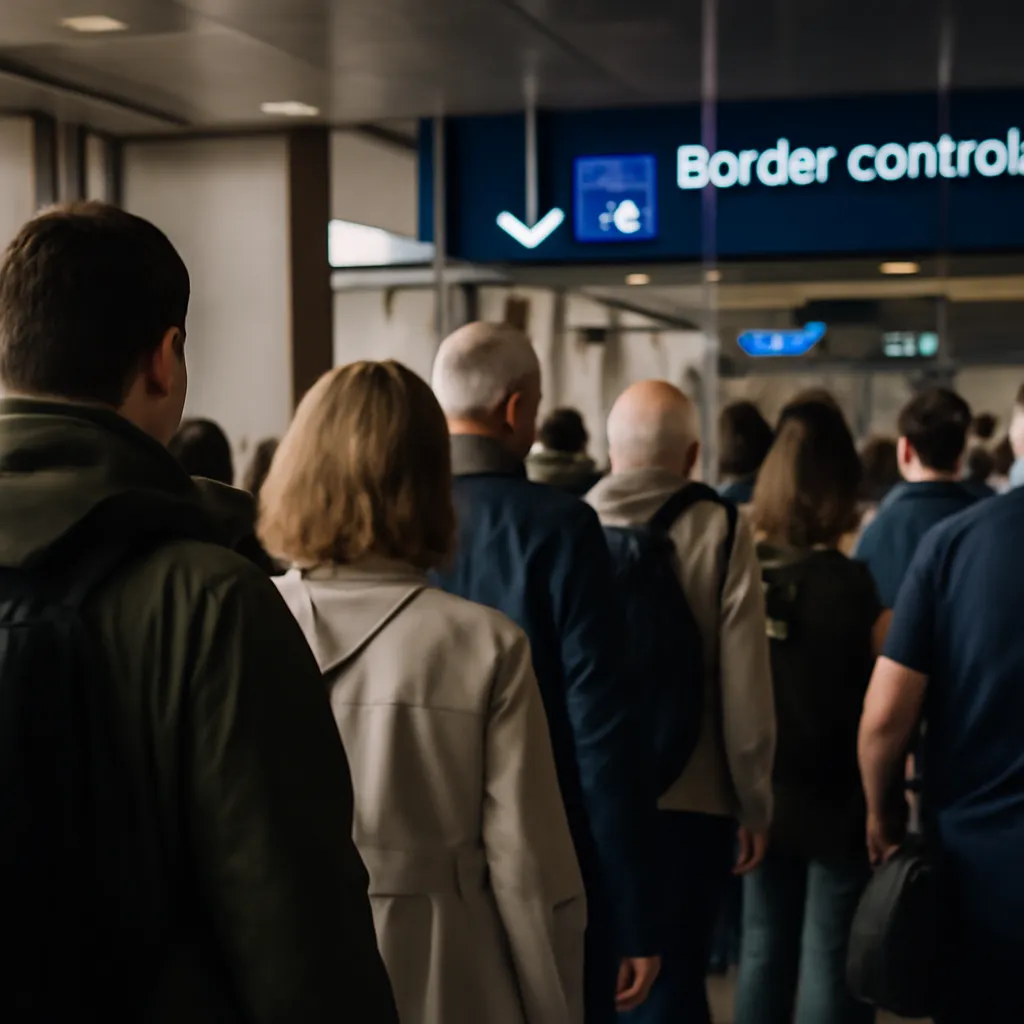
While EU and Schengen area citizens, along with holders of valid German residence permits, are exempt from the biometric registration, they may still experience longer waiting times due to the new procedures. Berlin Brandenburg Airport has noted that the EES could lead to delays during peak travel periods, although they describe the situation as manageable despite not meeting their usual quality standards.
For those planning to travel through German airports, it is critical to factor in these potential delays and adjust travel plans accordingly.