
EU's Entry/Exit System Faces Scrutiny Over Overstayer Misidentifications
Written with artificial intelligence.
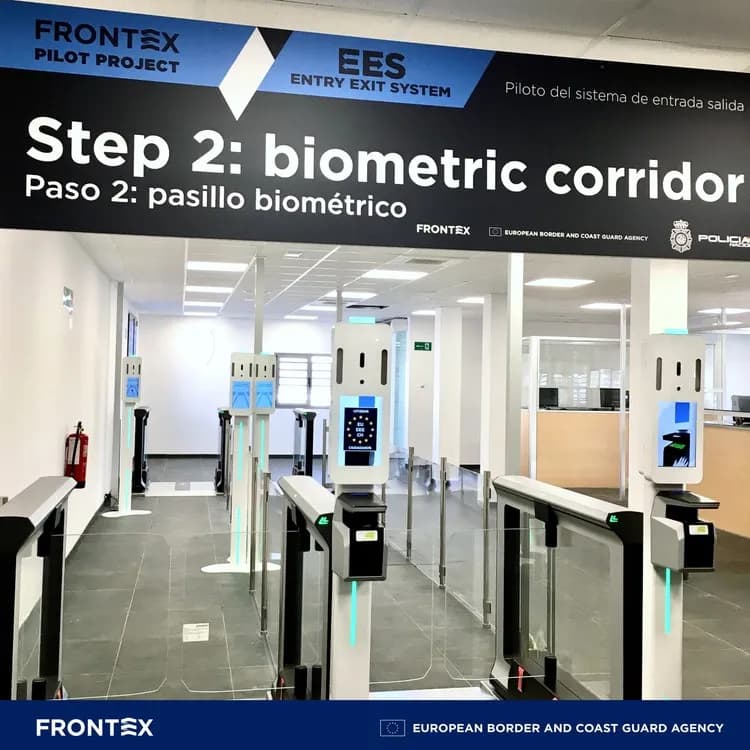
The EU's Entry/Exit System (EES) is under examination after reports indicate that compliant travellers are being misidentified as overstayers due to unrecorded departures. This issue has raised concerns about the accuracy and reliability of the biometric border management system.
Overview of the Issue
The European Union's biometric border management system, the Entry/Exit System (EES), has come under scrutiny following reports that some travellers are incorrectly flagged as overstayers. This confusion arises from unrecorded departures from the Schengen area, impacting those who have adhered to immigration regulations.
Background on the EES
The EES aims to enhance border security by replacing manual passport stamping with digital records. It became fully operational on April 10, 2026, across 29 European countries. The system is designed to track the movements of non-EU nationals visiting for short stays, collecting critical data such as passport information and biometric details.
Consequences for Affected Travellers
A notable case involves British author Jojo Moyes, who was informed at Marseille airport that she had overstayed despite being within her legal stay of 23 days. Issues like this have emerged from the system's failure to accurately record departures, leading to potential fines and travel restrictions for individuals who have followed the rules. Reports suggest that many others have faced similar problems, though the total number remains unclear.
Safeguards and Remedies
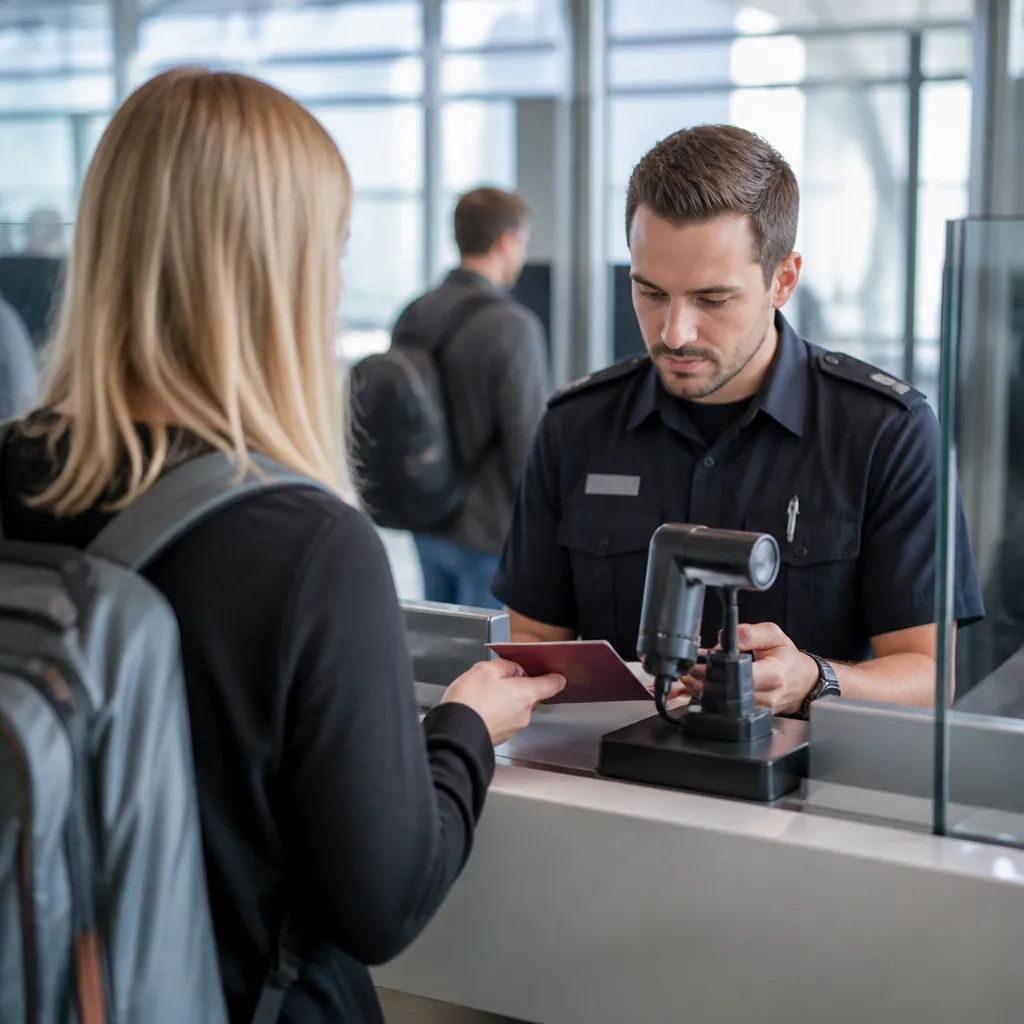
European legislation includes safeguards to protect travellers from the negative effects of incorrect data. Authorities are required to promptly investigate and correct inaccuracies in the system. Travellers can access their data and report discrepancies through national data controllers, and it is advisable to keep travel documents as proof of compliance.
Conclusion
The EU's transition to a digital border system has highlighted the importance of accuracy in immigration records and the need for effective procedures to rectify errors. As incidents of misidentification arise, the challenge for border authorities will be to address these discrepancies swiftly to prevent undue penalties for compliant travellers.