
Errors in EES Records Impacting British Travellers in the EU
Written with artificial intelligence.
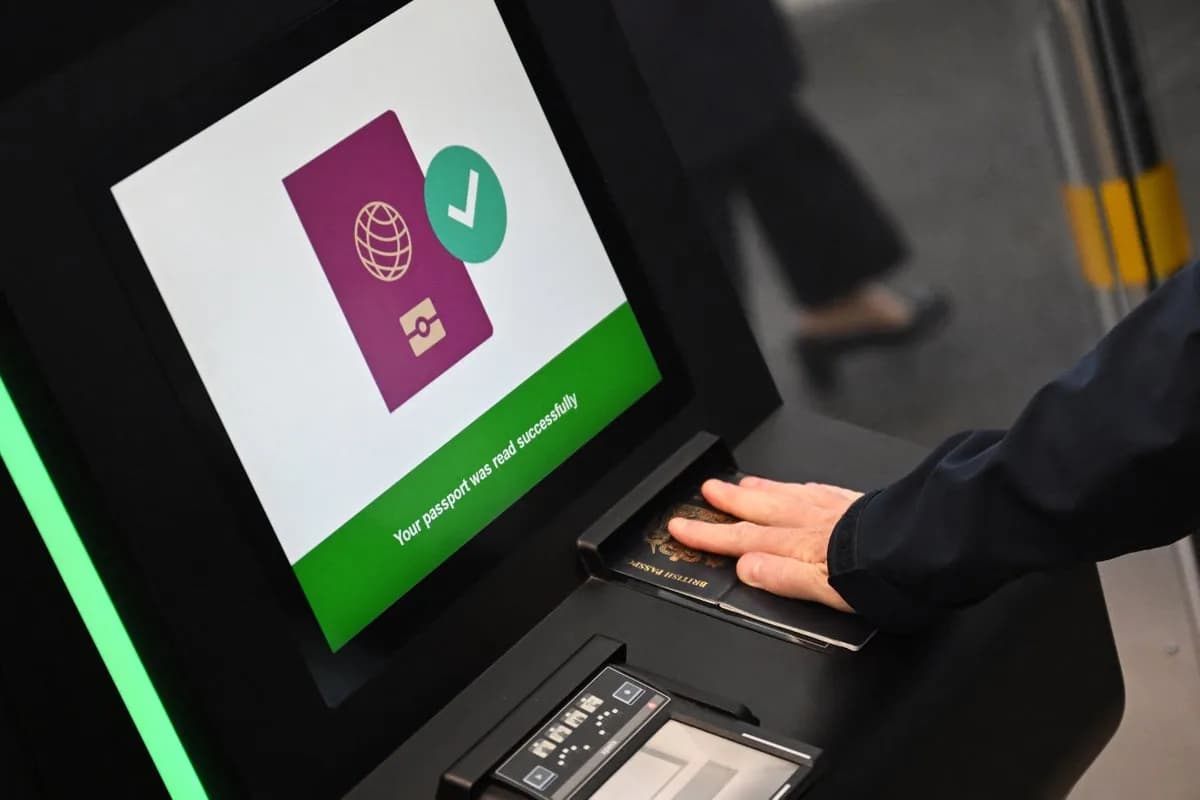
British passport holders are urged to verify their entry-exit system (EES) status due to incorrect records marking them as overstayers. This issue has arisen following reports of glitches that may lead to significant penalties for travellers.
EES Errors Affecting Travel
British travellers heading to the EU should be aware of potential issues with the Entry-Exit System (EES) that could incorrectly label them as overstayers. Consumer group Which? has reported that errors in exit records have flagged several British passport holders as having overstayed their permitted time in Europe, risking fines and bans upon re-entry.
Risks of Incorrect Overstay Flags
One notable case involves author Jojo Moyes, who was informed by French border guards that she could face a two-year ban and a fine of €10,000 (£8,360) due to an erroneous overstay designation. Moyes had spent only 23 days in the Schengen area over six months but was stopped at Marseille airport due to a glitch in the EES, which failed to log her exit from Portugal correctly.
Checking Your EES Status
British passport holders who have travelled to Schengen Zone countries since April 2026 are advised to check their EES status online. The EES tool allows users to input their travel document number and the country they visited to ascertain if their entry status is marked as ‘OK’ or ‘not OK’. If discrepancies are found, individuals should request corrections to their records.
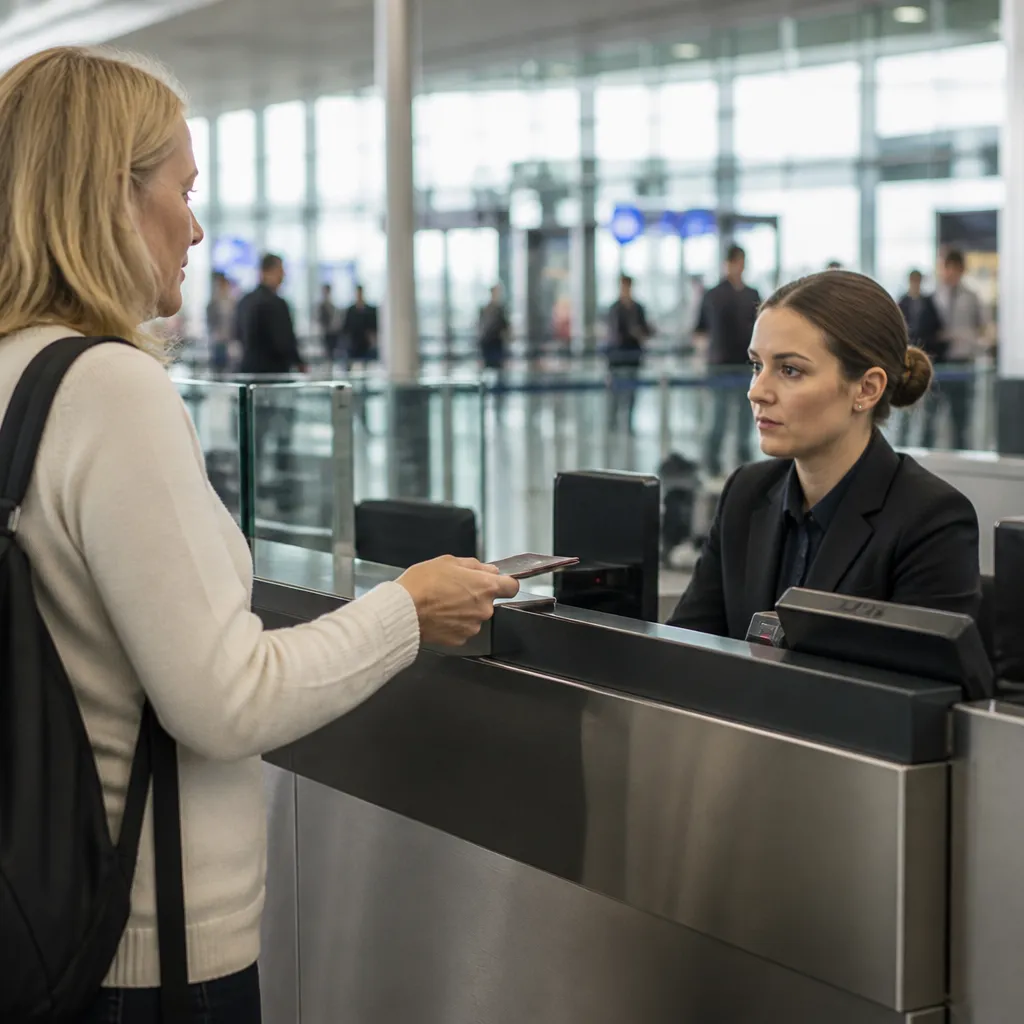
To assist with this process, travellers can:
- Visit the Travel to Europe data protection page.
- Scroll to find the email address of the Data Controller for the last visited Schengen country.
- Contact passport control officers at external borders for immediate assistance regarding their allowed stay.
Ongoing Legal Issues
In light of these problems, the EU has initiated legal action against IBM and two other tech firms responsible for the EES system, citing delays and operational failures this summer. The UK Foreign Office has acknowledged these concerns and is engaging with the European Commission to address the inaccuracies affecting British nationals.