
EES System Errors Risk €10K Fines and Travel Bans for Some Travelers
Written with artificial intelligence.
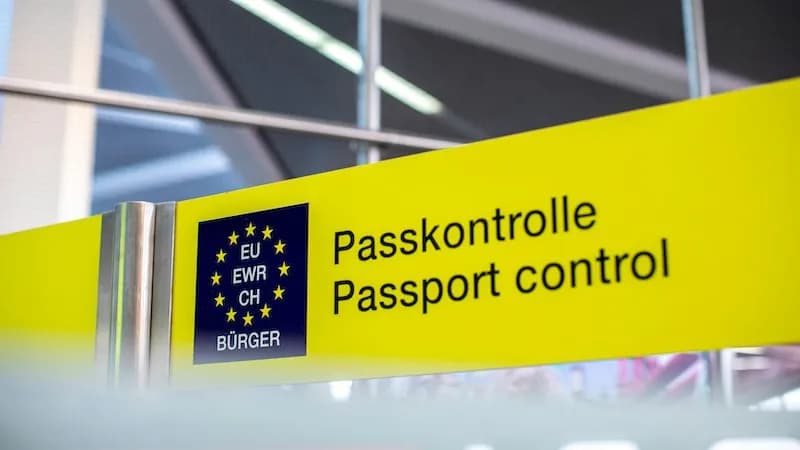
The Entry/Exit System (EES) is under scrutiny as travelers report being incorrectly flagged for overstaying their time in the Schengen Area. This has resulted in potential fines of up to €10,000 and two-year travel bans, affecting individuals like author Jojo Moyes.
EES System Under Fire
The European Union's Entry/Exit System (EES) is facing significant backlash after numerous travelers reported being mistakenly flagged for overstaying their permitted time in the Schengen Area. The issue stems from the system's failure to accurately record individuals' departures, leading to potential fines and travel restrictions.
Many affected passengers, as reported by Euronews, approached the consumer group Which? to voice their concerns. Without a proper exit record, travelers can be deemed to have violated the 90-day stay limit within a 180-day period. This has serious implications, as seen in the case of British author Jojo Moyes, who is facing a €10,000 fine and a two-year travel ban due to her departure from Portugal not being logged.
Moyes discovered the issue upon arriving in Marseille in October, and now finds herself unable to travel within Europe while she seeks legal assistance to rectify her records. The EES was rolled out at select airports in October 2025 and became fully operational across the Schengen Area by April 2026, marking a shift away from traditional passport stamps for non-EU travelers.

Ongoing Issues and Legal Challenges
The implementation of the EES has not been without its problems, with long queues and delays reported during the peak summer travel season. In response, some countries were allowed to suspend checks temporarily. The International Air Transport Association (IATA) has advocated for this flexibility to continue into the winter months to alleviate strain on travelers.
Additionally, the EES system is embroiled in legal disputes, with the EU suing IBM, Atos, and Leonardo over the system's troubled rollout. This lawsuit, filed by EU-Lisa, indicates that the EU is taking steps to protect its financial interests following delays in the system's delivery.