
EES Implementation Causes Overstay Accusations Among Travellers
Written with artificial intelligence.
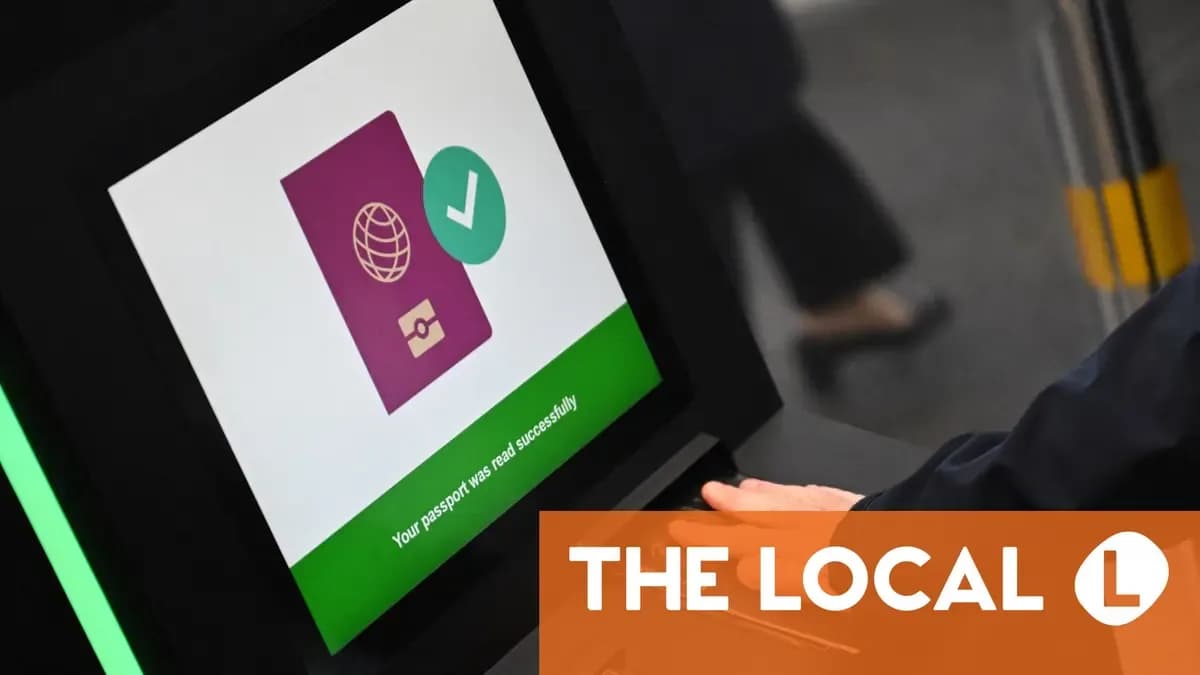
British travellers report being wrongly accused of overstaying their 90-day allowance in the EU due to issues with the new EES biometric border checks. The chaotic rollout has led to incorrect calculations of days spent in the Schengen zone, resulting in potential fines and travel bans for some.
Background on EES Issues
The European Union's introduction of the new EES (Entry-Exit System) biometric border checks has resulted in significant confusion for travellers. Complaints have emerged primarily from British citizens who have faced wrongful accusations of overstaying their 90-day allowance in the Schengen zone.
Personal Accounts
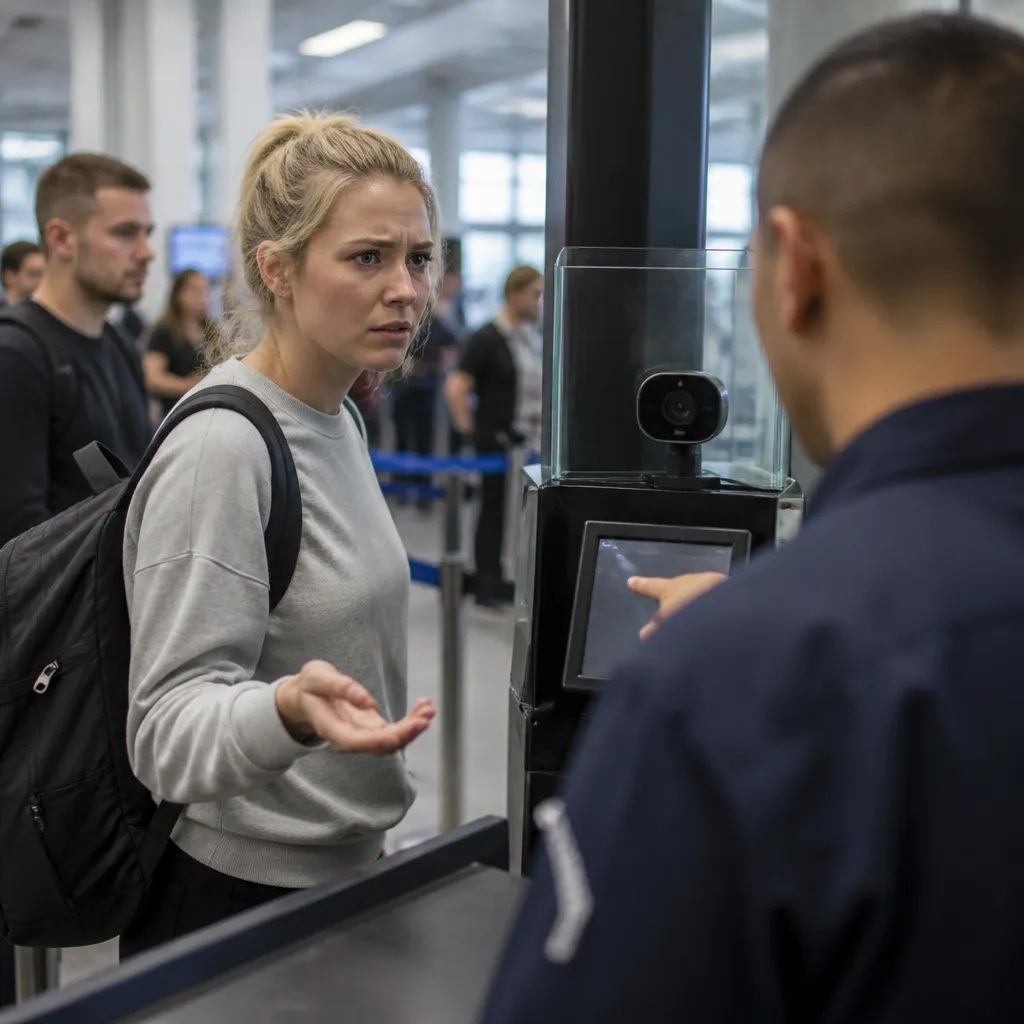
Several individuals have described their distressing experiences with border control. British author Jojo Moyes recounted an incident at Marseille Airport where she was wrongly informed by border guards that she had overstayed due to a failure in recording her exit after a trip to Portugal. She warned of a potential €10,000 fine and a two-year travel ban under Brexit rules.
Another traveller shared that her elderly parents felt 'utterly terrified' after their exits from Bilbao Airport went unregistered, complicating their travel plans. Furthermore, one person reported being temporarily detained at the Serbian-Romanian border due to missing entry data in the EES system, which had failed to log their journey through the Channel Tunnel.
EES Implementation Gaps
The UK-France border has been particularly problematic, with EES not fully operational at various entry points. Non-EU citizens holding residency permits, like one British resident in France, have also found themselves incorrectly categorized as overstayers.
The 90-Day Rule
The EU's 90-day rule allows citizens from several non-EU countries, including the UK and the US, to stay in the Schengen zone for up to 90 days within a 180-day period without a visa. However, overstaying can lead to serious penalties, including fines and deportation. The EU has introduced an online calculator to help travellers track their remaining days and challenge any inaccuracies by contacting the relevant data commissioners.
Moving Forward
In light of these issues, it is crucial for travellers to be aware of the potential pitfalls associated with the EES system. Ensuring accurate entry and exit records is essential to prevent complications during future travels in the Schengen area.