
AI's Impact on Tour Operations: 40% Workforce Reduction with Steady Revenue
Written with artificial intelligence.
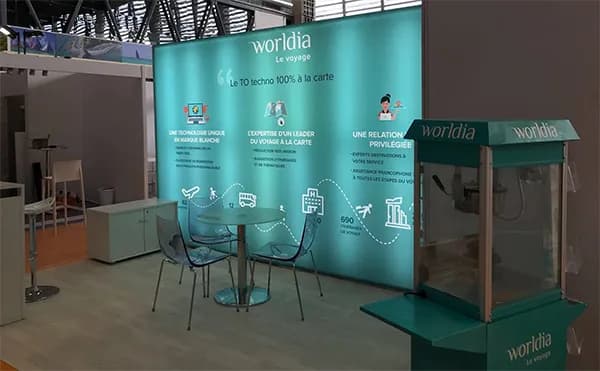
A recent roundtable in Paris examined the effects of artificial intelligence (AI) on the tourism sector, revealing that companies like Worldia have reduced their workforce by 40% while maintaining revenue levels. Experts emphasize the need for new skills among remaining employees to adapt to these technological changes.
AI Transformation in Tourism
At a recent discussion in Paris, the impact of artificial intelligence (AI) on the tourism industry was a key topic. Erwan Corre, co-founder of Worldia, a personalized travel operator, shared insights on how automation is reshaping organizational structures. Corre highlighted that the integration of AI has led to significant changes in task management, particularly in marketing and agency operations, where processes are now automated.
Corre noted that while revenue has remained stable, Worldia has reduced its staff by 40% over the past 18 months, now employing 200 individuals across five markets. This shift underscores the ongoing evolution within companies as they grapple with the operational changes introduced by AI.

Skill Adaptation for Employees
The remaining employees are now required to possess new competencies. Charles Tandonnet, the head of strategy at Travelsoft, emphasized that skills such as clarity of thought, abstraction, and project management are becoming increasingly important. As AI tools continue to analyze sales data and provide insights, adapting to these new technologies is crucial for employee success in the evolving landscape of tourism.